What and Where is a “Link Context”? Explained Using Citation Conventions • Zettelkasten Method

 What and Where is a “Link Context”? Explained Using Citation Conventions • Zettelkasten Method
We talk about link contexts a lot. The idea comes from where you place footnotes in scientific writing. Here is a simple explanation with examples so you can get the hang of it, too.
Howdy, Stranger!
Categories
- 3K All Categories
- 153 Research & Reading
- 705 The Zettelkasten Method
- 12 Knowledge Work
- 102 Writing
- 474 Software & Gadgets
- 158 Workflows
- 733 The Archive
- 15 Plug-In Showcase
- 88 Resolved Issues
- 225 Projects Logs and Journals
- 86 Project: Zettelkasten.de
- 53 Critique my Zettel
- 179 Random
- 375 Introduce Yourselves!
Comments
Nice examples! They are easy to build on.
For those of us who are working with wikilinks and a more concept-oriented approach to note-making, the first examples might look like this:
I love [[Markdown]] very much.The [[Cirque du Soleil]] visits town next week.The links point to another note, that explains that concept. In this case the notes would have the filenames
Markdown.mdandCirque du Soleil.md.For the context of statements or phrases a wikilink could look like this:
Did you know: Markdown was invented by John Gruber. ([[Smith-2025-Markdown]], Chapter 15)Or if you reference web pages, you could write:
Did you know: Markdown was invented by John Gruber. (https://www.taskade.com/blog/markdown-history)Or if you name notes with timestamps you could append the ID:
Did you know: Markdown was invented by John Gruber. [[202603021234]]Personally I prefer to attribute the source directly in the text, instead of appending a footnote or a reference:
[[Smith-2025-Markdown|Smith (2025)]] claims: Markdown was invented by John Gruber.A web page could be referenced like this:
Dawid Bednarski [claims](https://www.taskade.com/blog/markdown-history): Markdown was invented by John Gruber.It's the same principle that Christian describes, just a different linking technique.
It also works for blocks and paragraphs:
Sascha [points out](https://zettelkasten.de/introduction/#connecting-zettel) how important …Note that this link points to the subsection "Connecting Zettel" of that article.
Those of us, who care about who said when what, could also write:
In October 2020 Sascha pointed out in the "[Introduction to the Zettelkasten Method](https://zettelkasten.de/introduction/#connecting-zettel)", how …Or:
In November 2020 Sascha summarized in "[Backlinking Is Not Very Useful -- Often Even Harmful](https://zettelkasten.de/posts/backlinks-are-bad-links/)" the purpose of link contexts: …If you like footnotes in your notes and your note-taking app renders Markdown footnotes, a footnote could be written like this:
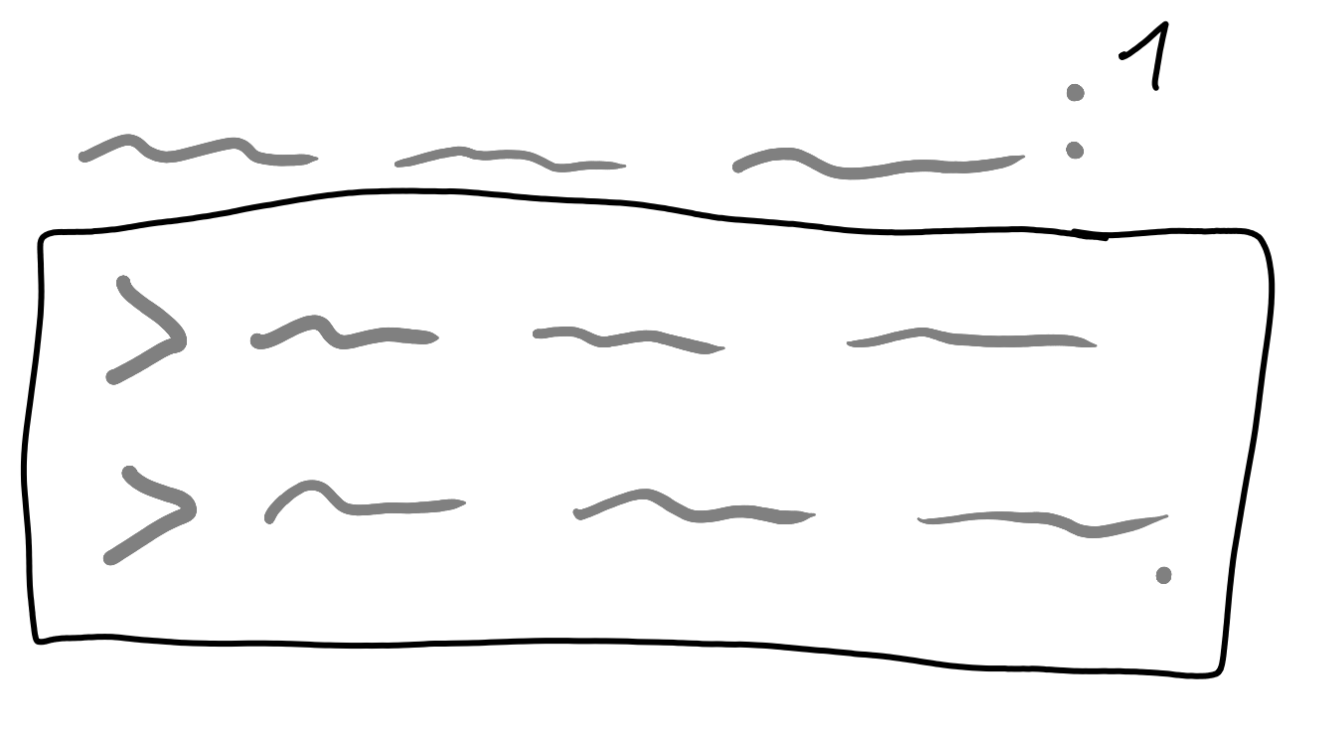
Sascha points out how important link contexts are:[^1][^1]: Introduction to the Zettelkasten Method.<https://zettelkasten.de/introduction/#connecting-zettel> Retrieved 2026-02-03 12:34.> This type of …I like Sascha's advice in "Backlinking Is Not Very Useful -- Often Even Harmful". It works well for notes without titles:
Citations reference your sources. They answer the question, where you got your information from. Links in personal notes have more use cases. They might also answer questions like: Where do I explore this thought in more detail? Where have I mentioned similar thoughts previously? Where do I want to go from here?